
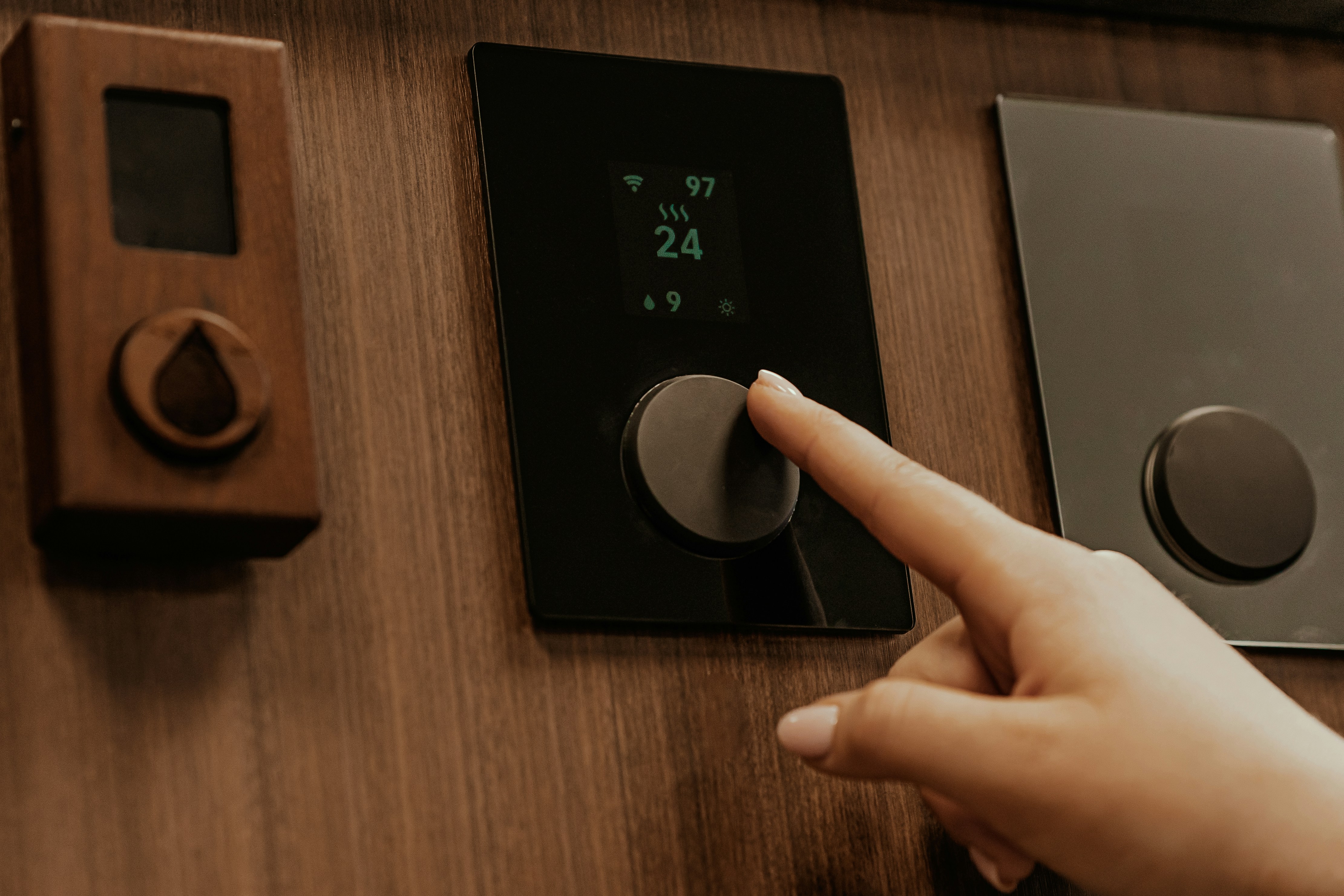
Smart homes have evolved from novelty to necessity. What began as a few Wi-Fi–enabled gadgets has grown into an interconnected ecosystem of sensors, voice assistants, and automated appliances. Yet technology never stands still. Artificial intelligence (AI), ultra-fast 5G networks, and next-generation devices promise to reshape how we live, work, and play. Future-proofing your smart home now ensures it remains compatible, secure, and efficient for years to come.
This comprehensive guide explores practical steps for designing a resilient smart home that can seamlessly adopt AI features, leverage 5G connectivity, and integrate tomorrow’s devices without expensive overhauls.
1. Understanding the Technology Trends Shaping Tomorrow’s Smart Home
1.1 Artificial Intelligence (AI) and Machine Learning
AI is shifting smart homes from simple automation to predictive intelligence. Rather than responding only to commands, next-gen systems will learn habits—adjusting lighting, climate, and even grocery orders automatically. Think AI-powered energy management that lowers power usage during peak rates or a refrigerator that suggests recipes based on food nearing expiration.
1.2 5G Connectivity
5G delivers lightning-fast speeds and ultra-low latency, enabling real-time communication between devices. For homeowners, this means instantaneous streaming for security cameras, smoother VR/AR experiences, and more reliable control of dozens (or hundreds) of connected gadgets.
1.3 Next-Generation Devices
The Internet of Things (IoT) continues to expand: smart mirrors that track health metrics, energy-harvesting sensors requiring no batteries, and appliances capable of software upgrades for new features. Planning for these innovations now helps avoid costly retrofits.
2. Laying the Infrastructure Foundation
A future-ready smart home begins with robust infrastructure.
2.1 High-Capacity, Mesh Wi-Fi
While 5G is growing, most indoor devices still rely on Wi-Fi. Invest in Wi-Fi 6 or Wi-Fi 6E mesh systems to support more devices with faster throughput and reduced interference. A mesh network eliminates dead zones, ensuring every sensor and camera stays connected.
2.2 Structured Cabling
Whenever possible, run Cat6 or Cat6a Ethernet cables to strategic points—media rooms, offices, and security hubs. Wired connections provide maximum stability for bandwidth-hungry devices such as 8K TVs or network-attached storage.
2.3 Centralized Smart Home Hub
Select a hub that supports multiple protocols (Zigbee, Z-Wave, Thread, Matter). The new Matter standard promises cross-brand compatibility, protecting you from ecosystem lock-in and enabling easy integration of future devices.
3. Choosing Scalable, Interoperable Devices
3.1 Embrace Open Standards
When shopping for lighting, thermostats, or security systems, prioritize Matter-certified products and those offering API access. This ensures longevity even if a manufacturer discontinues a specific model.
3.2 Modular Systems
Opt for modular designs—like expandable smart lighting panels or plug-and-play security cameras—so you can add features as needs evolve without replacing the entire setup.
3.3 Cloud vs. Local Control
Cloud services deliver convenience but rely on external servers. Whenever possible, choose devices with local processing and control for resilience during internet outages and better privacy.
4. Harnessing AI for Predictive Automation
4.1 Intelligent Climate Control
AI-driven thermostats learn your schedule, weather patterns, and occupancy to optimize HVAC efficiency. Integration with smart blinds and fans further reduces energy consumption.
4.2 Personalized Lighting Scenes
Advanced lighting systems use AI to analyze time of day, activity, and circadian rhythms. Your home might automatically shift from cool daylight in the morning to warm ambient hues at night for improved well-being.
4.3 Security with Machine Learning
Modern security cameras employ on-device AI to distinguish between pets, vehicles, and people, reducing false alarms and improving response times.
5. Preparing for 5G Integration
5.1 Evaluate Coverage
Check your area’s 5G availability. Major carriers publish coverage maps—use these to decide whether a 5G home gateway or hybrid setup (fiber + 5G) best fits your location.
5.2 Upgrade Network Hardware
Choose routers and gateways that are 5G-ready or dual-band to seamlessly transition as networks mature.
5.3 Plan for Edge Computing
5G enables edge computing, where data processing occurs near the source rather than in distant servers. This reduces latency for critical tasks like real-time surveillance or robotic vacuum navigation.
6. Energy Efficiency and Sustainability
6.1 Smart Energy Monitoring
Install whole-home energy monitors and AI analytics to track usage by device, helping identify inefficiencies and lower utility bills.
6.2 Renewable Integration
If you have solar panels or plan to, select inverters and batteries compatible with smart home energy management systems, allowing dynamic control of storage and consumption.
6.3 Long-Lifecycle Materials
Use durable wiring, eco-friendly insulation, and efficient HVAC systems to reduce future maintenance and waste.
7. Cybersecurity: Protecting a Hyper-Connected Home
A bigger smart ecosystem means more attack surfaces.
Unique Strong Passwords: Change default credentials and enable multi-factor authentication.
Regular Firmware Updates: Set devices to auto-update to patch vulnerabilities.
Network Segmentation: Create a separate IoT network isolated from personal computers or work devices.
Local Backups: Store critical data on encrypted local drives in case of cloud breaches.
8. Budgeting and Planning for Upgrades
8.1 Create a Phased Roadmap
List current devices, identify desired upgrades, and prioritize essentials such as networking and security before aesthetic features.
8.2 Estimate Total Cost of Ownership
Consider not only upfront hardware prices but also subscription fees for cloud services, professional installation, and future maintenance.
8.3 Work with Certified Professionals
For complex wiring or whole-home automation, hire licensed electricians or smart home integrators who can future-proof layouts and adhere to local codes.
9. Case Study: A Future-Ready Home in Action
Consider a 2,500-square-foot residence retrofitted with Wi-Fi 6 mesh, Matter-compatible hubs, and solar-powered smart blinds. AI algorithms adjust indoor climate based on occupancy, while 5G cameras provide instant alerts to the owner’s smartphone—even when traveling abroad. Over two years, energy bills dropped 25%, and the homeowners added new devices without rewiring or service interruptions.
Conclusion
Future-proofing is about foresight and flexibility. By investing in robust networking, choosing open standards, and planning for AI and 5G integration, you create a smart home that evolves gracefully with technology. Whether you’re building new or upgrading an existing property, these steps ensure your living space remains secure, sustainable, and at the cutting edge for the next decade and beyond.


