
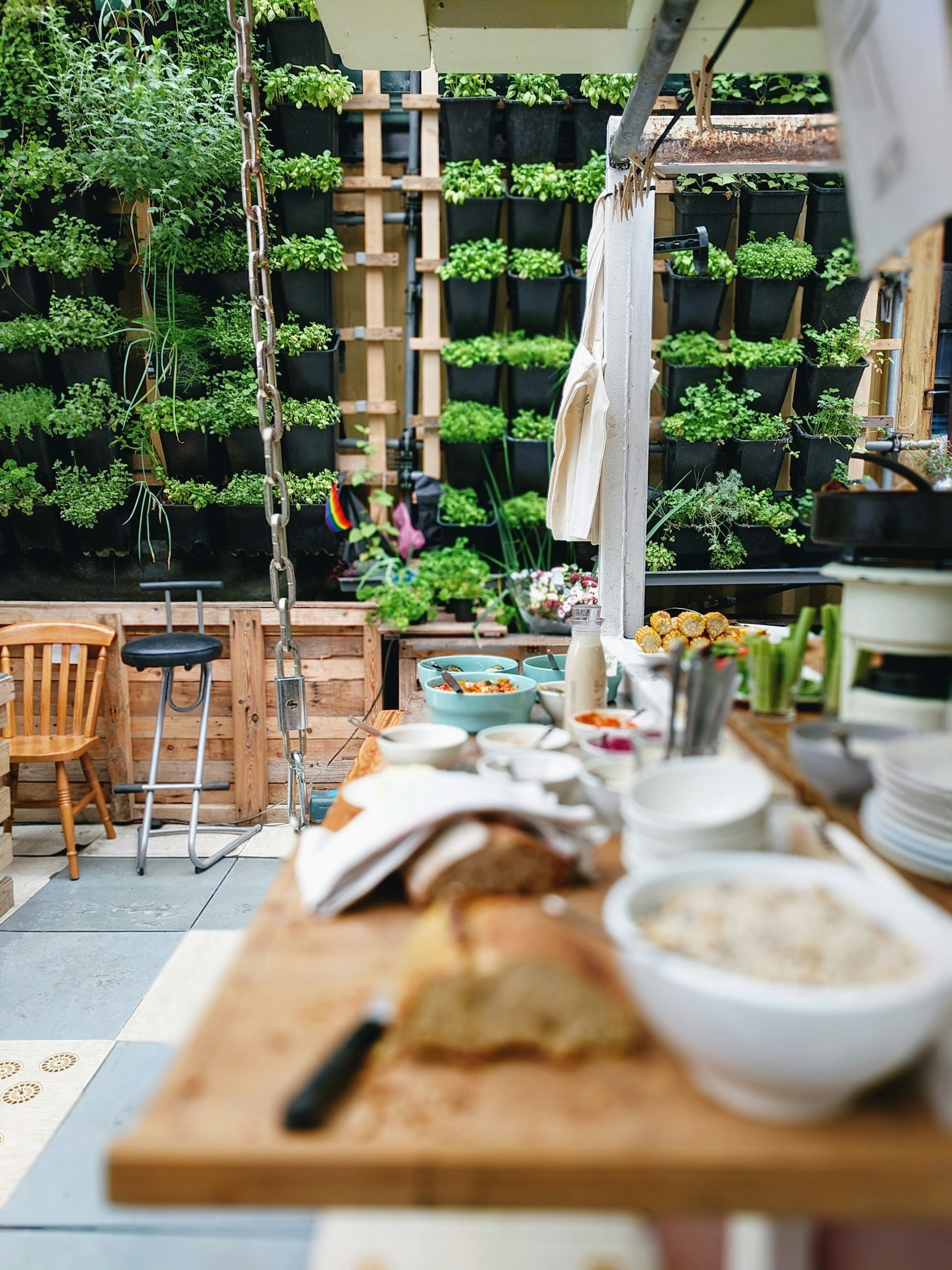
A small backyard doesn’t have to limit your creativity or enjoyment of the outdoors. With strategic layouts and vertical gardening techniques, even the tiniest patch of land can become a lush, inviting retreat. Whether you dream of a cozy reading nook, a vibrant kitchen garden, or a stylish entertaining space, the key is to maximize every square foot while maintaining visual harmony.
This comprehensive guide explains how to design, plant, and decorate your compact yard so it feels spacious, functional, and breathtaking.
Why Small Yards Have Big Potential
While large gardens offer room for expansive lawns or multiple seating areas, small yards come with hidden advantages:
Lower Maintenance: Less space means less mowing, watering, and pruning.
Budget-Friendly: You can invest in higher-quality materials and plants because you need less of them.
Creative Freedom: Compact areas encourage innovative solutions—like multi-functional furniture or living walls.
Step 1: Analyze the Space and Establish a Vision
Start by carefully evaluating your yard:
Measure Dimensions: Create a to-scale sketch of length, width, and fixed elements (fences, trees, patios).
Observe Sunlight Patterns: Identify areas of full sun, partial shade, and full shade throughout the day.
Note Wind and Drainage: Windbreaks or drainage issues may dictate plant placement.
Then, decide on your primary goals: a serene garden, an outdoor dining area, or a mini urban farm. A clear vision guides every design choice.
Step 2: Smart Layout Principles for Small Yards
1. Define Functional Zones
Divide the space into areas for dining, relaxing, or gardening using pavers, planters, or changes in flooring material. Even a 10×12-foot yard can host a bistro table and a tiny vegetable bed if you clearly define each zone.
2. Use Diagonal Lines
Design pathways or deck boards on the diagonal to draw the eye outward, making the yard feel larger.
3. Prioritize Vertical Sightlines
Layer heights—low groundcovers, mid-level shrubs, and tall trellises—to add depth and interest.
4. Create Focal Points
A water feature, a striking sculpture, or a colorful planter becomes the centerpiece, making the space feel intentional.
Step 3: Vertical Gardening Techniques
Vertical gardening is the ultimate small-yard solution. Here are proven approaches:
Living Walls and Green Screens
Install modular planters or fabric pockets on a sturdy wall or fence. Fill them with herbs, ferns, or flowering vines. Drip irrigation systems simplify watering.
Trellises and Arbors
Grow climbing plants like jasmine, clematis, or cucumbers on trellises. An arbor draped in vines creates a romantic entryway.
Hanging Baskets and Elevated Planters
Use ceiling hooks or wall brackets to suspend baskets of strawberries, petunias, or trailing ivy. Elevated planters double as privacy screens.
Recycled Vertical Structures
Repurpose wooden pallets, ladders, or old bookshelves as tiered planting stations for a unique, eco-friendly touch.
Step 4: Choose Plants Wisely
Space-efficient gardens demand careful plant selection.
Compact or Dwarf Varieties: Look for dwarf tomatoes, patio roses, or mini fruit trees that thrive in containers.
Multi-Season Interest: Mix evergreens with perennials and annuals to maintain color year-round.
Edibles and Ornamentals Together: Combine herbs, vegetables, and flowers for beauty and function.
Remember to group plants with similar light and water needs to simplify care.
Step 5: Integrate Containers and Raised Beds
Containers and raised beds are small-yard heroes:
Containers: Flexible and portable, they let you rearrange layouts with ease. Use varied heights and shapes for visual drama.
Raised Beds: Provide excellent drainage and reduce bending, ideal for vegetables and herbs.
Use lightweight, weather-resistant materials such as cedar, galvanized metal, or composite wood.
Step 6: Flooring and Hardscape Solutions
The right flooring enlarges the perception of space:
Light-Colored Pavers or Gravel: Reflect light and brighten shaded areas.
Decking with Narrow Gaps: Creates a clean, contemporary feel.
Permeable Surfaces: Support sustainability and prevent puddling.
Consider a unified material palette to create continuity and make the yard appear more spacious.
Step 7: Clever Furniture and Storage
Opt for pieces that serve multiple purposes:
Foldable Bistro Sets: Easy to tuck away when not in use.
Built-In Benches with Storage: Hide garden tools or cushions inside.
Slimline Vertical Cabinets: Keep supplies organized without eating floor space.
Choose furniture that complements your color scheme for a cohesive look.
Step 8: Add Lighting for Ambience and Function
Well-planned lighting extends usability into the evening:
String Lights or Fairy Lights: Add a warm, festive glow.
Solar-Powered Path Lights: Save energy and highlight walkways.
Spotlights for Focal Points: Showcase sculptures or prized plants.
Layer ambient, task, and accent lighting for both safety and atmosphere.
Step 9: Maximize Privacy
Small yards often border neighbors closely. Create a private retreat using:
Tall Plantings: Bamboo or tall ornamental grasses.
Lattice Panels with Climbing Vines: Provide coverage while allowing airflow.
Outdoor Curtains or Shade Sails: Add softness and flexible screening.
Step 10: Sustainable Practices
Eco-friendly strategies reduce maintenance and environmental impact:
Rain Barrels: Harvest rainwater for irrigation.
Native Plants: Require less water and attract pollinators.
Composting: Turn kitchen scraps into nutrient-rich soil.
These practices keep your oasis green and your conscience clear.
Seasonal Maintenance Plan
| Season | Key Tasks |
|---|---|
| Spring | Refresh soil, plant annuals, inspect irrigation |
| Summer | Prune, harvest edibles, monitor pests |
| Autumn | Mulch beds, plant bulbs, store fragile containers |
| Winter | Protect perennials, clean tools, plan new layouts |
A predictable maintenance schedule ensures year-round beauty without overwhelm.
Styling Tips for a Cohesive Look
Color Palette: Choose 2–3 main hues to avoid visual clutter.
Repetition: Repeat materials or plant species for harmony.
Texture Play: Combine smooth stone, rough wood, and soft foliage for depth.
Real-World Inspiration
Urban Balcony Garden: A 120-square-foot patio with a living wall of herbs and compact fruit trees.
Courtyard Sanctuary: A narrow alley transformed into a Zen retreat with gravel flooring, bamboo screens, and a bubbling fountain.
These examples prove that creativity, not square footage, defines success.
Conclusion
A small yard can be as captivating and functional as a sprawling garden when you embrace smart layouts and vertical gardening techniques. By maximizing vertical space, choosing the right plants, and incorporating sustainable practices, you can transform even the tiniest plot into a lush outdoor oasis that reflects your personality and supports your lifestyle.
With thoughtful planning and a bit of ingenuity, your compact backyard will become the ultimate retreat—perfect for relaxing, entertaining, or simply enjoying nature.


